My work for ‘DRIVERS’ , a Computer Arts Society (CAS) committee show

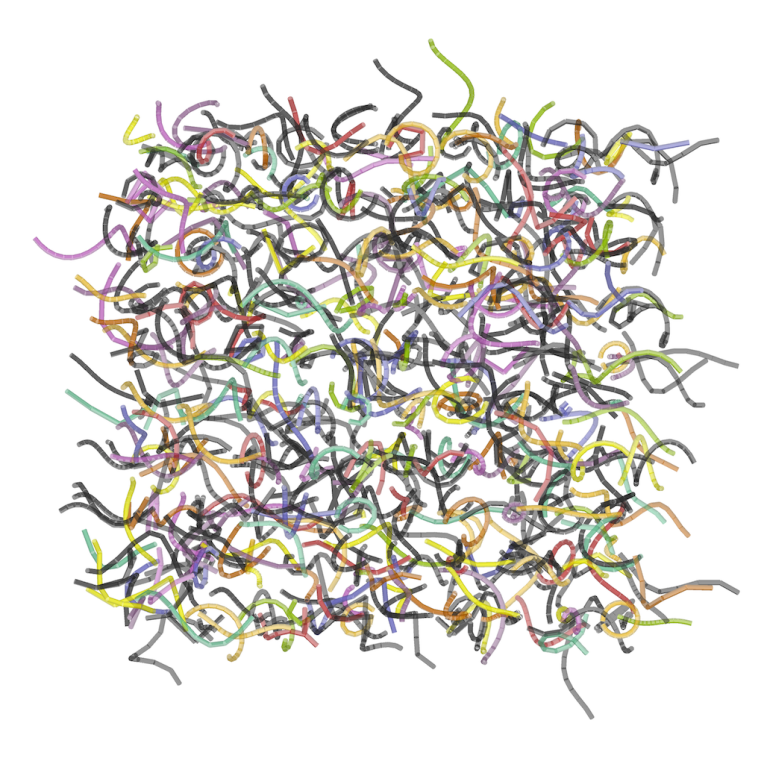
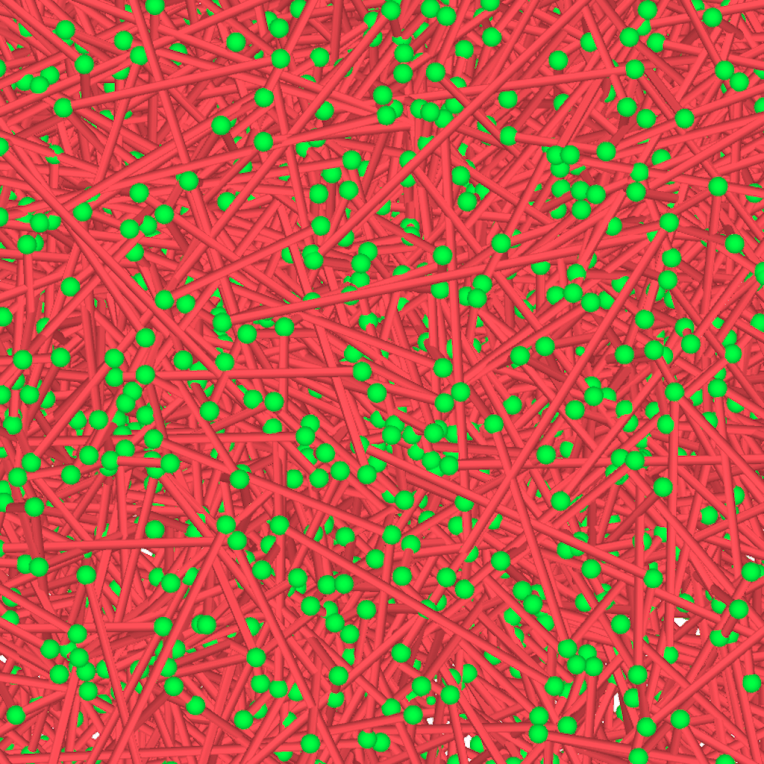
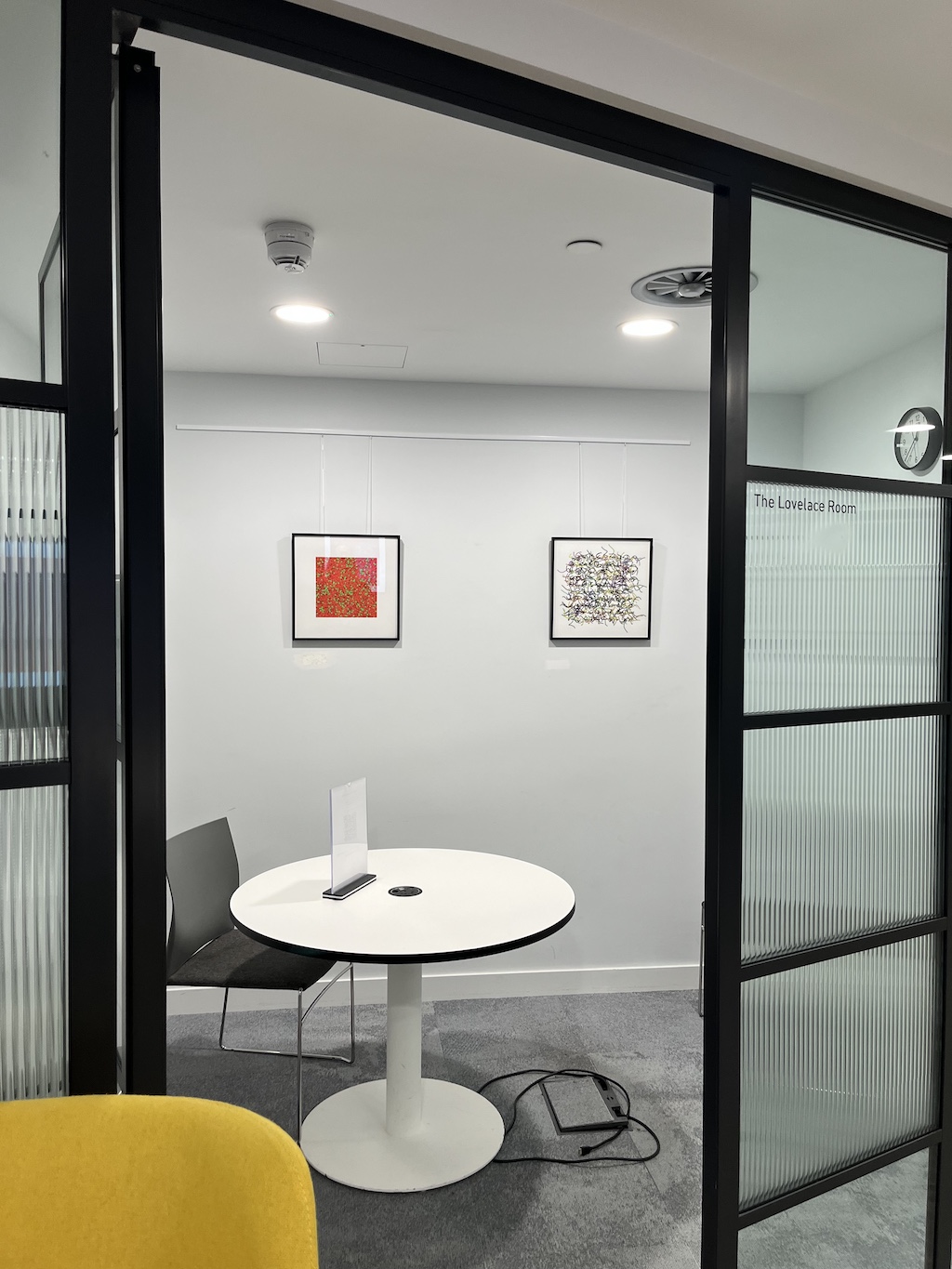
In September 2025 an exhibition of work by members of the CAS committee was installed at the London offices of the BCS in Moorgate. I had the privilege of curating the show. As a committee member I also chose to show some work. Having previously used C++ and OpenGL, for the show I used Processing for the first time to produce 3D animations to be screened as well as the images below, which were printed and framed. Two videos were formatted for the four screen video wall. There are links to view them below.
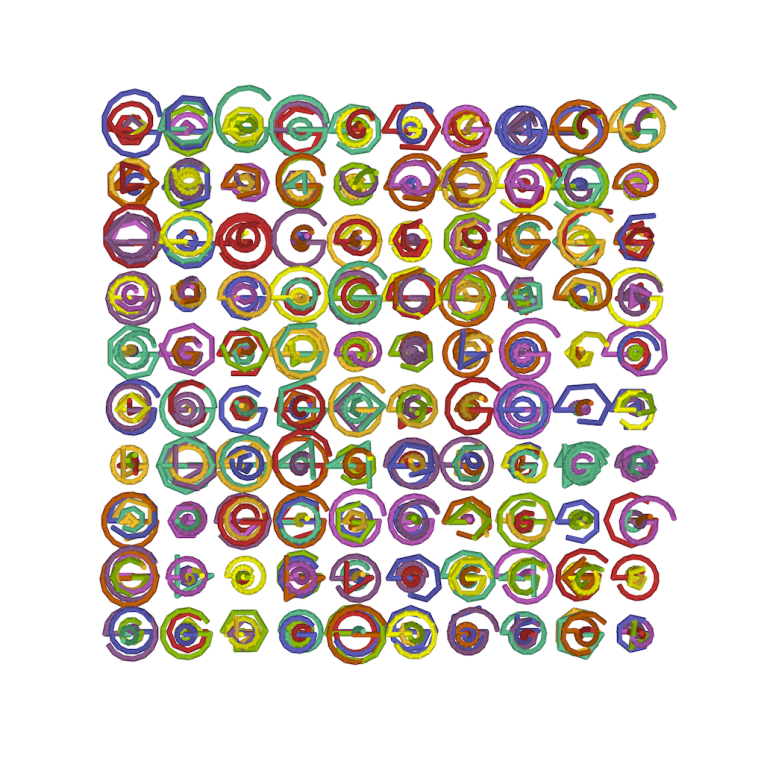
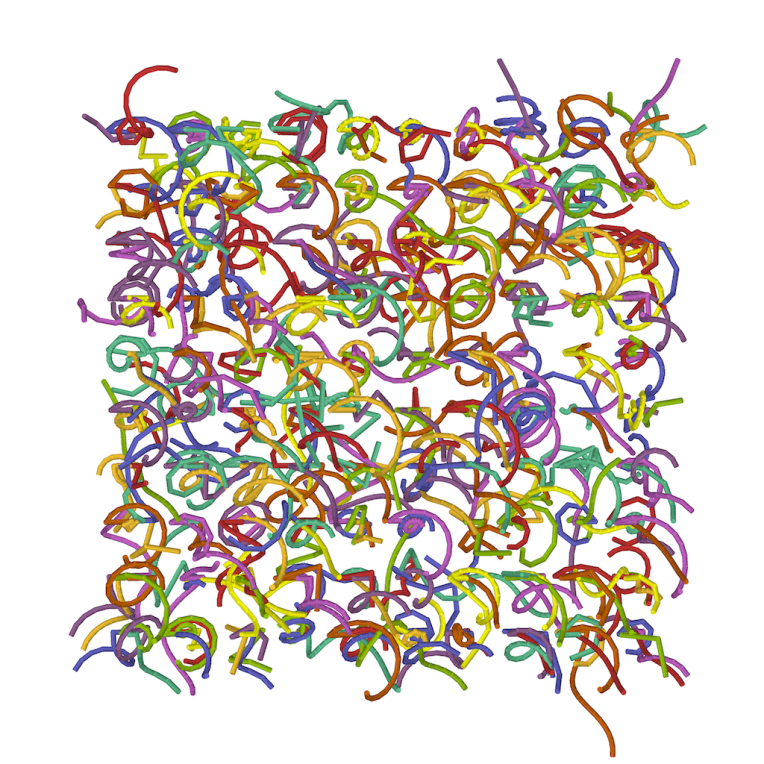
Following the example of colleagues I decided to make some new work, but related to some very old work. After a break of some fifty years, I returned to exploring the algorithms that I used back in the late nineteen-seventies first with physical sculptural constructions at Bristol Poly and then using computer graphics as a postgrad at The Slade. Back then, I used FORTRAN on a Data General Nova minicomputer. This time I used Processing on an iMac.

The algorithm is explained in the pages on my old website about my early computer graphics: https://stephenbell.org.uk/ranstak/index.html

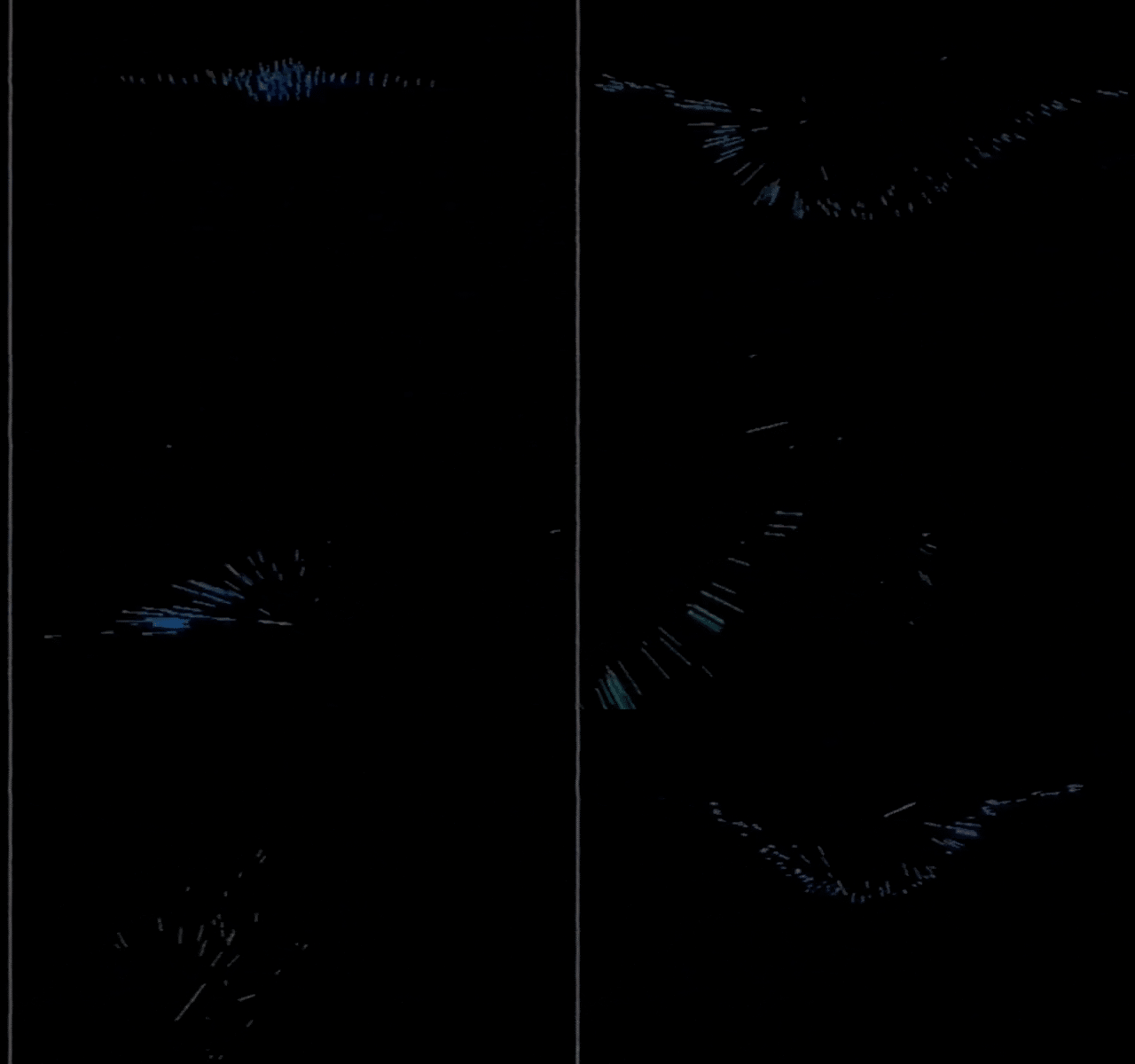
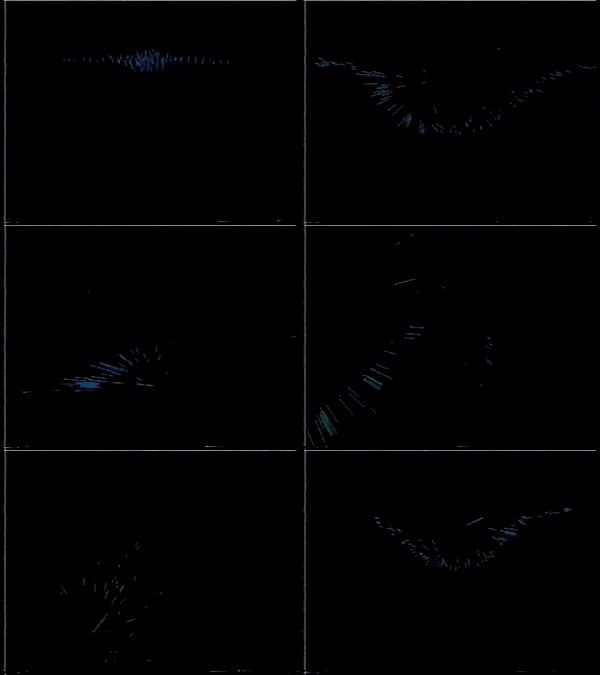
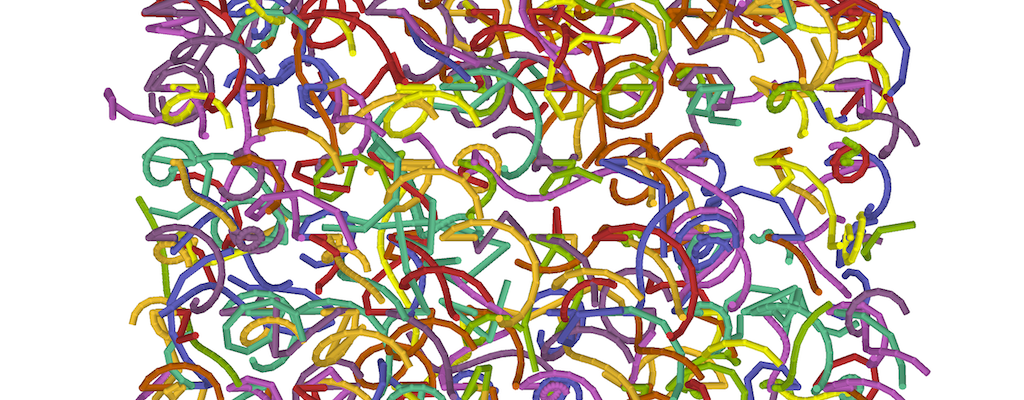
Two videos were made for the four-screen video wall at BCS Moorgate. A matrix of rotating helices of random length, frequency and amplitude provide constantly changing apparent conjunctions and combinations of shape as their overlapping forms coincide. The phases of the piece – where coloured shapes are replaced temporarily by monochrome ones and then replaced in turn by more brightly coloured helices is roughly based upon the menstrual cycle. Each video was generated using a different random number seed for the pseudo-random number generator, leading to different instances of the potential compositions.
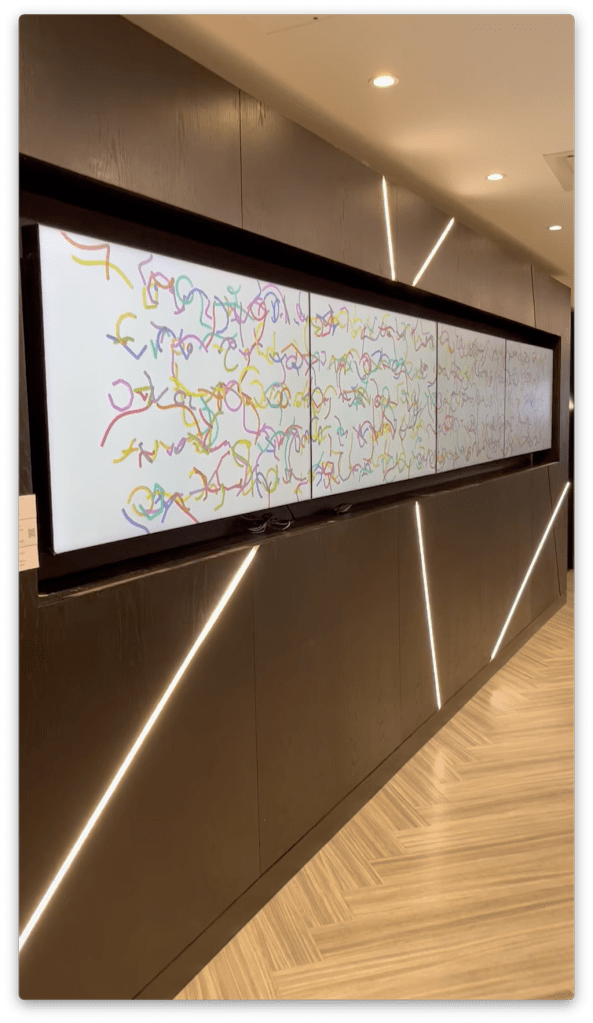
View of four screen video wall displaying helical conjunctions video
Looking into a small office with a glass door open and two prints on the wall.

Using Processing, which I only started learning this year, with help from the Google Gemini ‘AI’, rather than using a pen plotter the images are created using on screen rendering of the 3D geometry. A bonus of current technology compared to what I used in the 1970’s is that I can now produce animations of the shapes much more easily.
Leicester computer art pioneers

There are a couple of prints of my work in the CAS: Leicester Computer Art Pioneers exhibition at Phoenix Leicester from November 2nd 2023 to January 30th 2024. The curator, Sean Clark, invited me to submit two pieces – one from the period when I was living in Leicester while I was working at the Loughborough University of Technology Computer-Human Interface Research Centre (LUTCHI) and studying for a PhD, and one recent piece. He would take the files I sent to him and produce prints for the show.

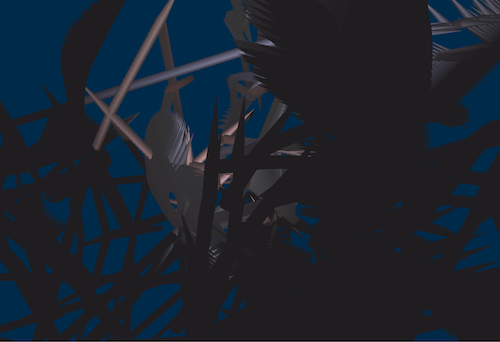
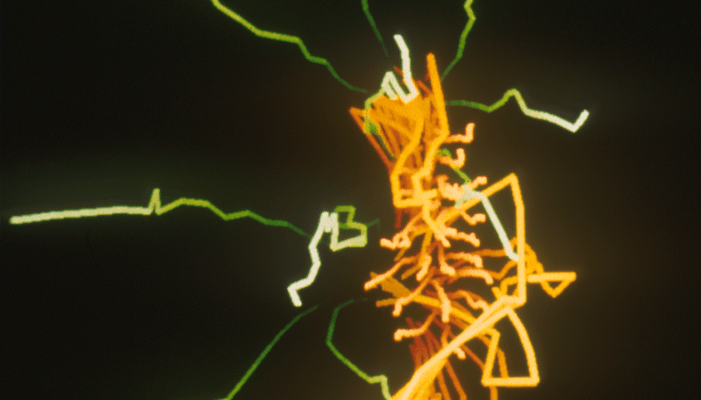
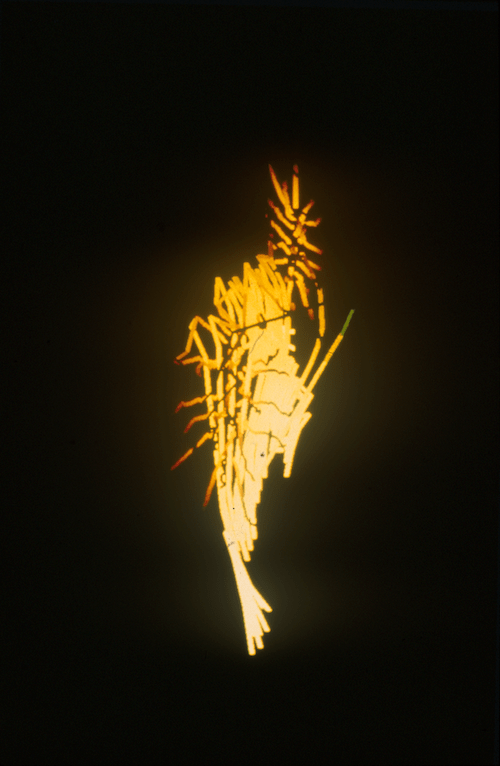
For the first piece I chose to combine two images that had been generated using the version of Smallworld that I was using on a Silicon Graphics IRIS workstation that I had borrowed from the centre to use in the shared house I lived in on Humberstone Road. When working on what came to be Prospero and Caliban I seem to remember listening to a radio broadcast of The Tempest. When searching online to find a record of the BBC broadcasting however I couldn’t find a reference to it, so perhaps my memory is playing tricks.

Nevertheless for the second piece I decided to make an image using my current iteration of the behavioural image generation programs that have followed from Smallworld, running on an iMac, to use a similar technique to the one I had been experimenting with when making the Prospero image, i.e. placing the source to illuminate the generated shape in the centre of the composition so that trails in front of the light source would be rendered in silhouette. The result is Miranda. The video below shows a recording of my exploration of the generated shape including the frame that I selected for the print.

The works exploit the perceptual phenomenon referred to as pareidolia, where people think that they can see something that does not actually exist. I have often sought out these phenomena, after learning of the advice of Leonardo da Vinci when I was at school.

Computer Arts Society members exhibition

predator prey trails stroyboard
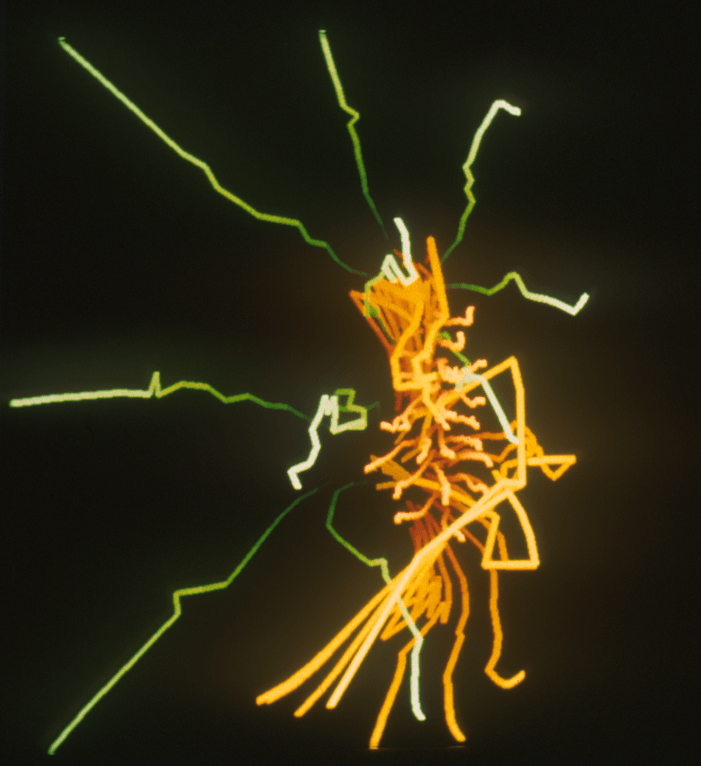
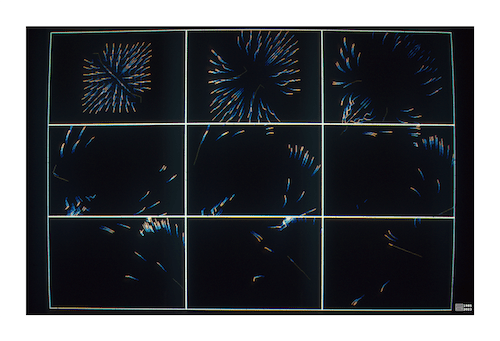
2 predators 98 prey, computer generated image, 1985

When asked to exhibit a piece in the inaugural CAS members’ exhibition I decided to submit a piece from my time as Artist in Residence at UKC (University of Kent at Canterbury) in the mid 1980’s. The piece is a version of a number of works in which I used the Smallworld suite to generate images based upon predator-prey behaviors. The piece exhibited uses a storyboard approach to show the way a regular arrangement of ‘prey’ are dispersed when two ‘predators’ move in on them.

Note that the image was photographed from a curved CRT screen as high quality digital printing was hard to come by at the time, hence the distortion.

More work from the time can be seen on my old website.

Sydney exhibition and PhD

I am very pleased to have some of my work in the exhibition Prisms of Influence: Echoes from The Colour in the Code at the Mosman Gallery in Sydney Australia. The exhibition runs in parallel to Ernest Edmonds: The Colour in the Code a retrospective exhibition at Mosman of Ernest Edmonds’ work. Ernest was the director of research of my PhD and Susan Tebby, who also has work in the show, was my supervisor.


My work in the exhibition is a video that, through recordings of interactions, shows the development of the interface I created to enable people to explore the generative properties of the Smallworld algorithms that I had developed at UKC. The development of versions of the Smallworld suite that people could access at exhibitions served as a case study in the focus of my PhD. The goal of my research which was to find out just what artists and audiences are offered by a medium that may demand active participation in the realisation of the work rather than, as is more often the case, engagement in viewing and interpretation of existing material.

A pdf of the PhD thesis, which includes the conclusions of the research, is available to download here.

Leicester digital art pioneers

Exhibition and Zoom Event

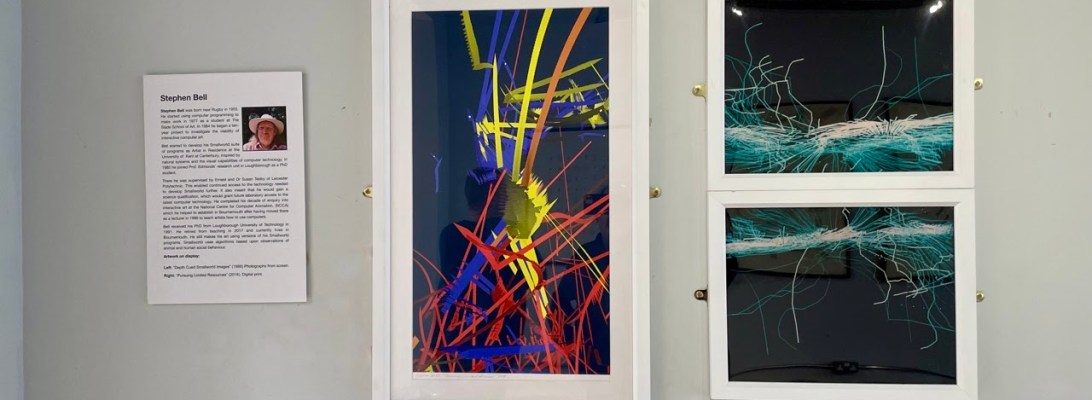
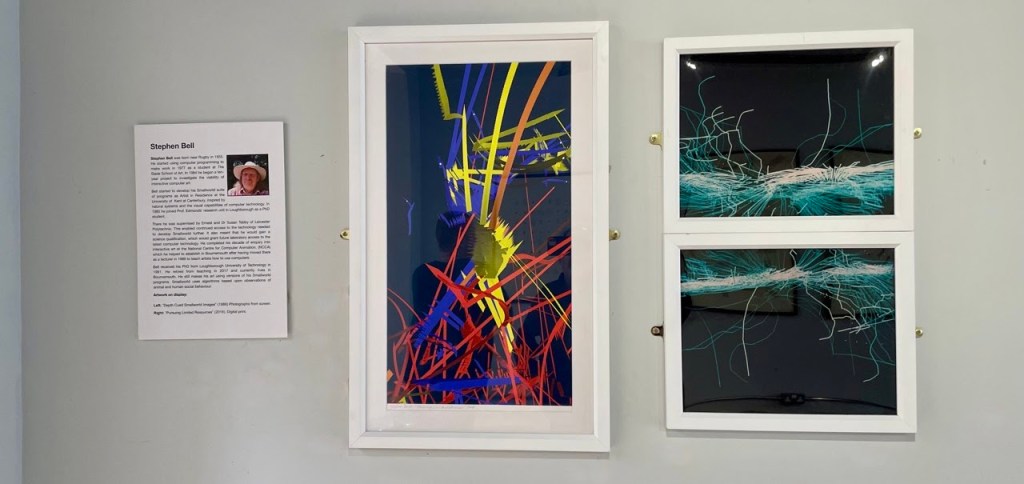
Pursuing Limited Resources (2018) and Depth Cued Smallworld Images (1989)

In April 2022, The above pieces were exhibited in an exhibition organised by Sean Clark at the start of a project to collect and display the role people and institutions in Leicester and Leicestershire contributed to the development of computational art.

More about the project and exhibition can be found here

A Zoom Event with the four artists exhibited is scheduled for 7.00pm London time on 28th April 2022. Register here