Traces of Being at V&A

By Stephen Bell and Sarah Thompson

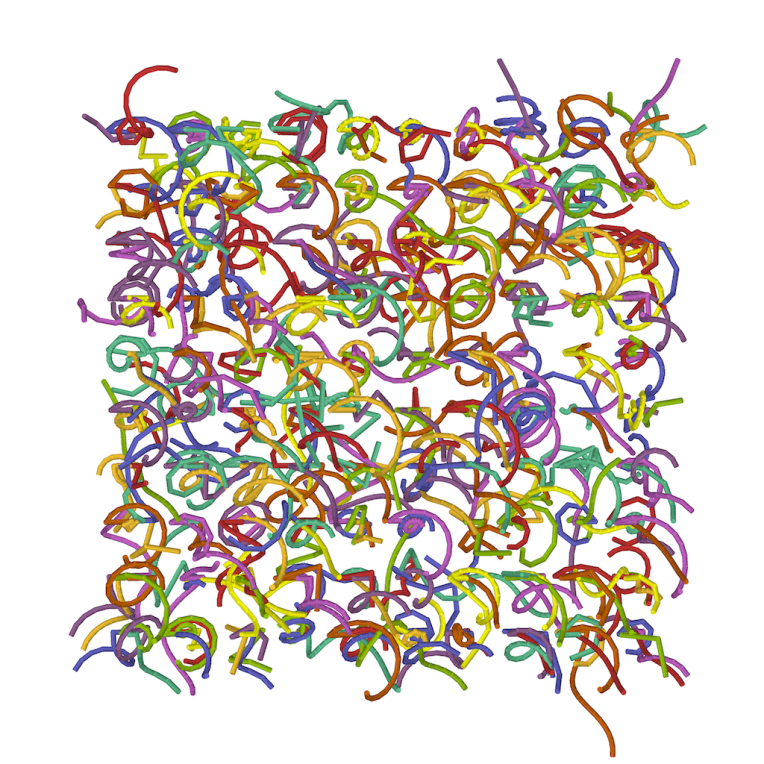
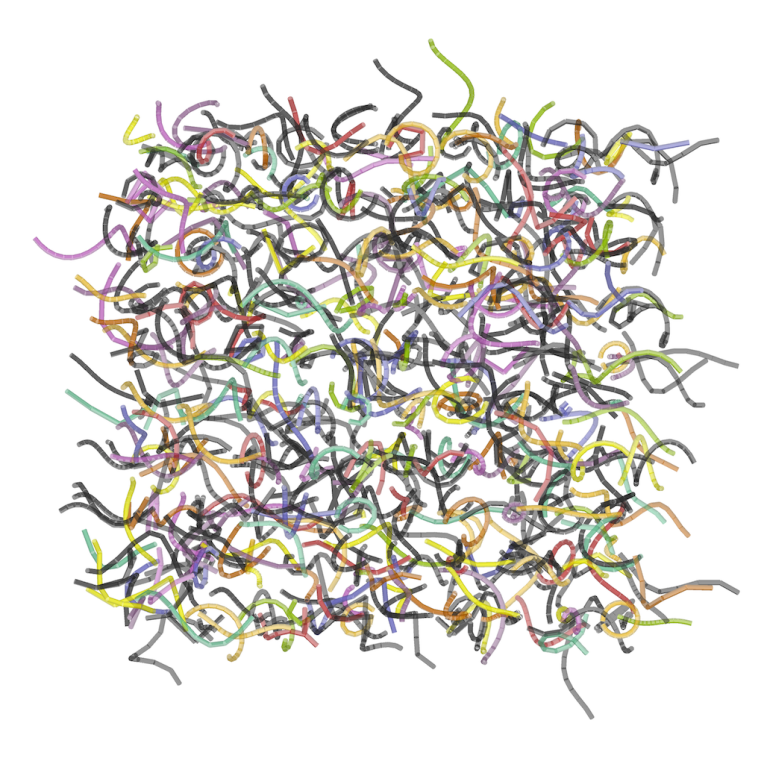
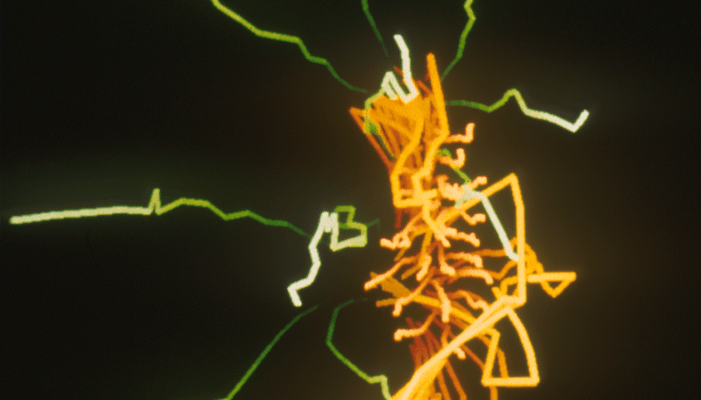
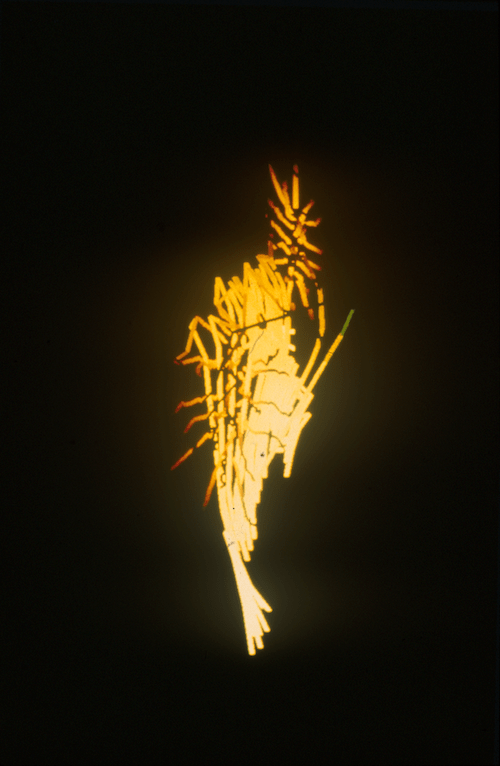
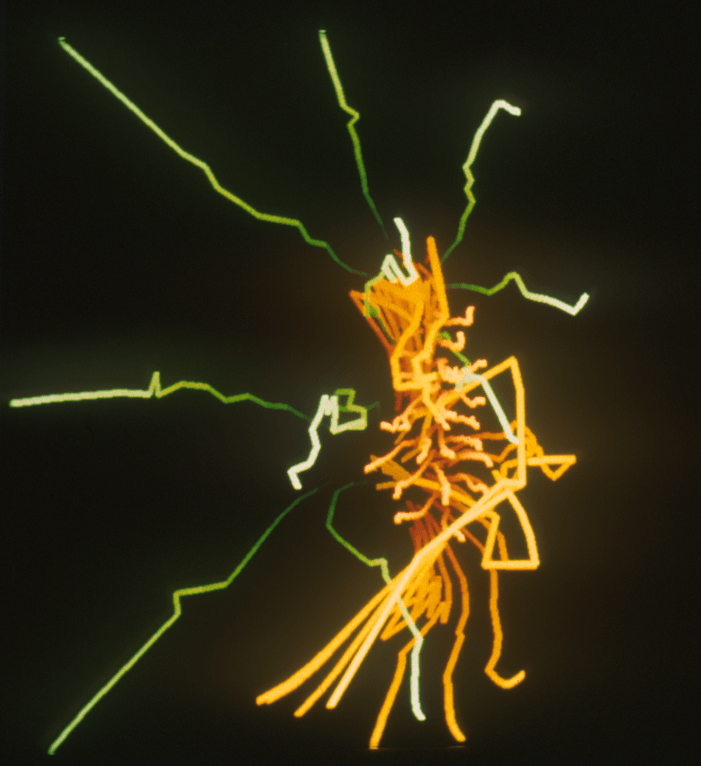
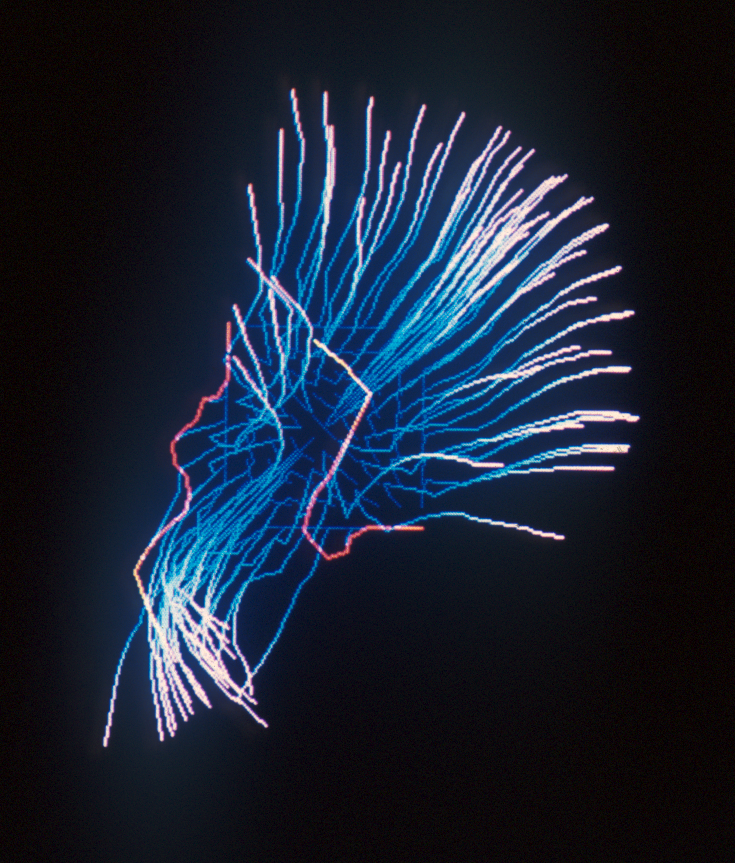
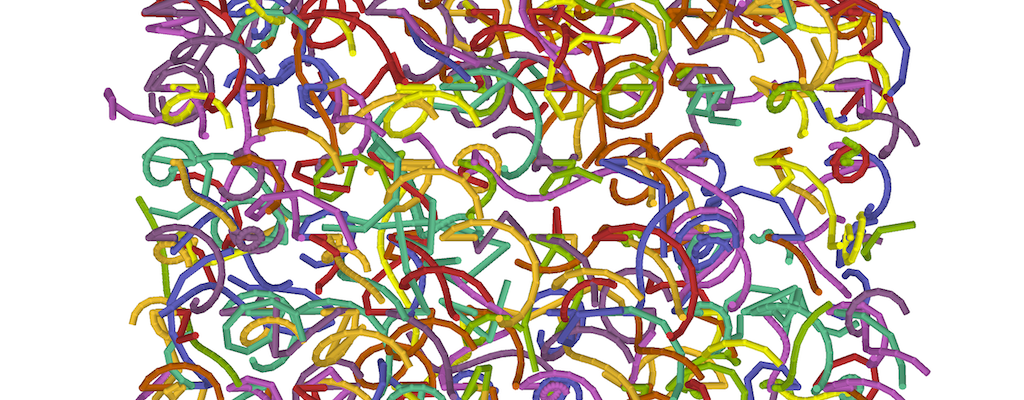
The trails in this work are what is left of the agents when they finish their run.

Like the traces we and others leave after we die that record the influences on us and those we have on others.

Like dead flowers they hint at what came before but do not share the same glory or despair, they are tokens of what came to pass.

In the way of ghosts they reveal yet do not reveal.

We are left to interpret the impressions of being, forever only able to surmise or speculate upon the meanings that we know must have been there.

What is real and what is imagined, we cannot know for sure.

This is essence of grief and joy, the truth of loss, and of love.

Memento Mori

Memento Vivere

What led to the death of a soldier, the death of a child, to a mother, a father, a pet, a wild animal?

What led to their birth, their being?

The story of their lives is too mysterious to comprehend and yet we know that they were, for a time, and like fallen leaves or blossoms they were.

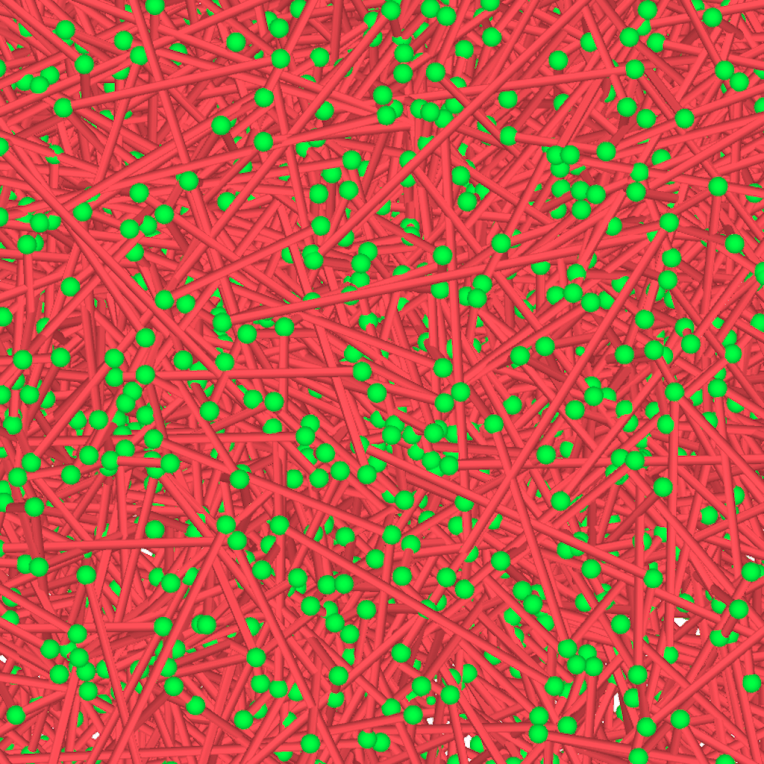
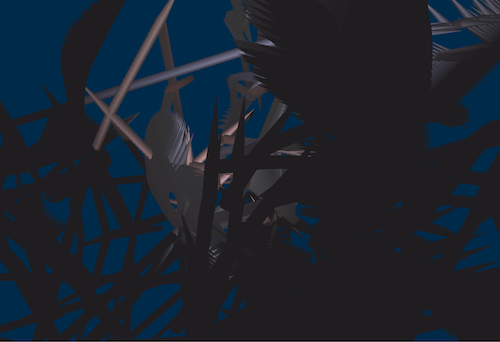
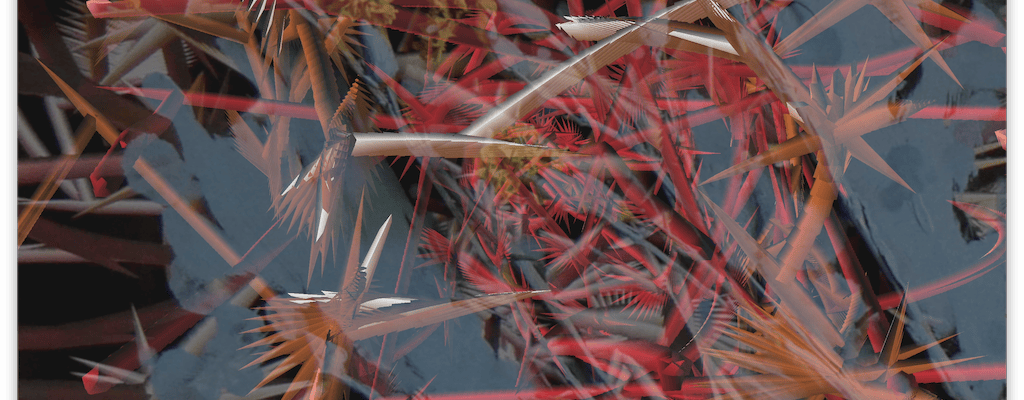
Traces of Being is a composite of computer animation and mixed media made by me and Sarah Thompson to be included in the Computer Arts Society showreel at V&A Digital Design Weekend 2026. (September 18 – 20, South Kensington). CG trails were generated using my agent-generated behavioural programming techniques originally developed for Smallworld. The mixed media work Life Cycle was made by Sarah Thompson.
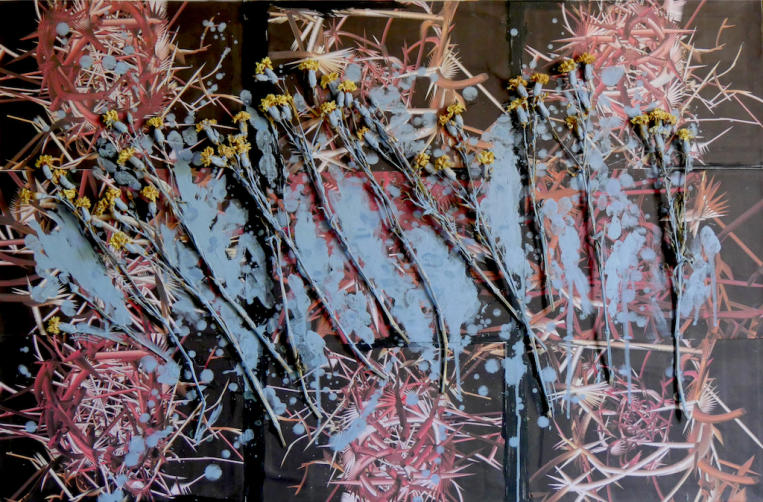
mixed maedia image of nine prints by Bell glued to cnavas and then dried flowers attached and worked over with pale blue paint by Thompson
Life Cycle, Sraah Thompson, 2026

My work for ‘DRIVERS’ , a Computer Arts Society (CAS) committee show

In September 2025 an exhibition of work by members of the CAS committee was installed at the London offices of the BCS in Moorgate. I had the privilege of curating the show. As a committee member I also chose to show some work. Having previously used C++ and OpenGL, for the show I used Processing for the first time to produce 3D animations to be screened as well as the images below, which were printed and framed. Two videos were formatted for the four screen video wall. There are links to view them below.

Following the example of colleagues I decided to make some new work, but related to some very old work. After a break of some fifty years, I returned to exploring the algorithms that I used back in the late nineteen-seventies first with physical sculptural constructions at Bristol Poly and then using computer graphics as a postgrad at The Slade. Back then, I used FORTRAN on a Data General Nova minicomputer. This time I used Processing on an iMac.

The algorithm is explained in the pages on my old website about my early computer graphics: https://stephenbell.org.uk/ranstak/index.html

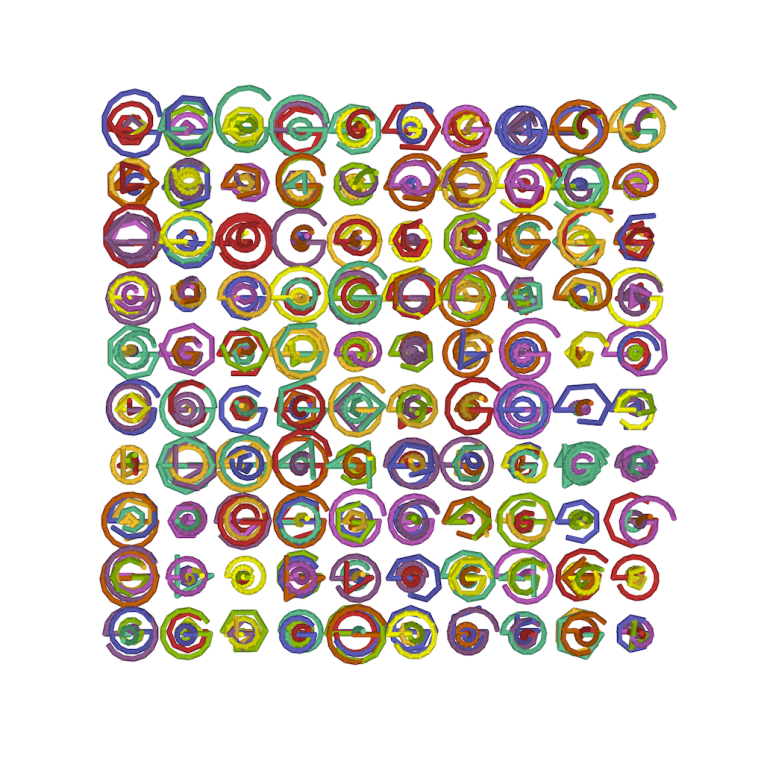
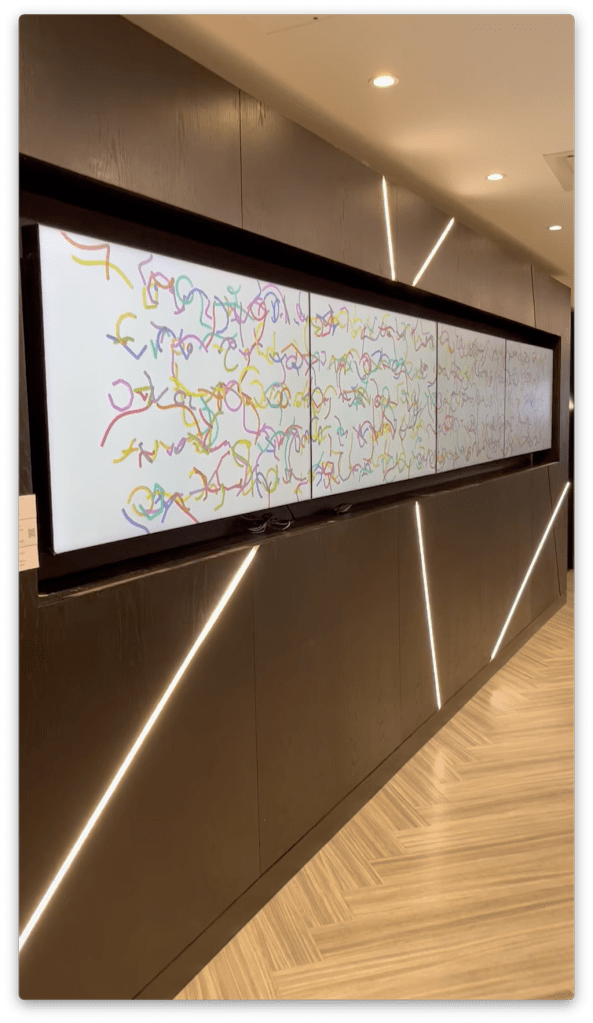
Two videos were made for the four-screen video wall at BCS Moorgate. A matrix of rotating helices of random length, frequency and amplitude provide constantly changing apparent conjunctions and combinations of shape as their overlapping forms coincide. The phases of the piece – where coloured shapes are replaced temporarily by monochrome ones and then replaced in turn by more brightly coloured helices is roughly based upon the menstrual cycle. Each video was generated using a different random number seed for the pseudo-random number generator, leading to different instances of the potential compositions.

View of four screen video wall displaying helical conjunctions video
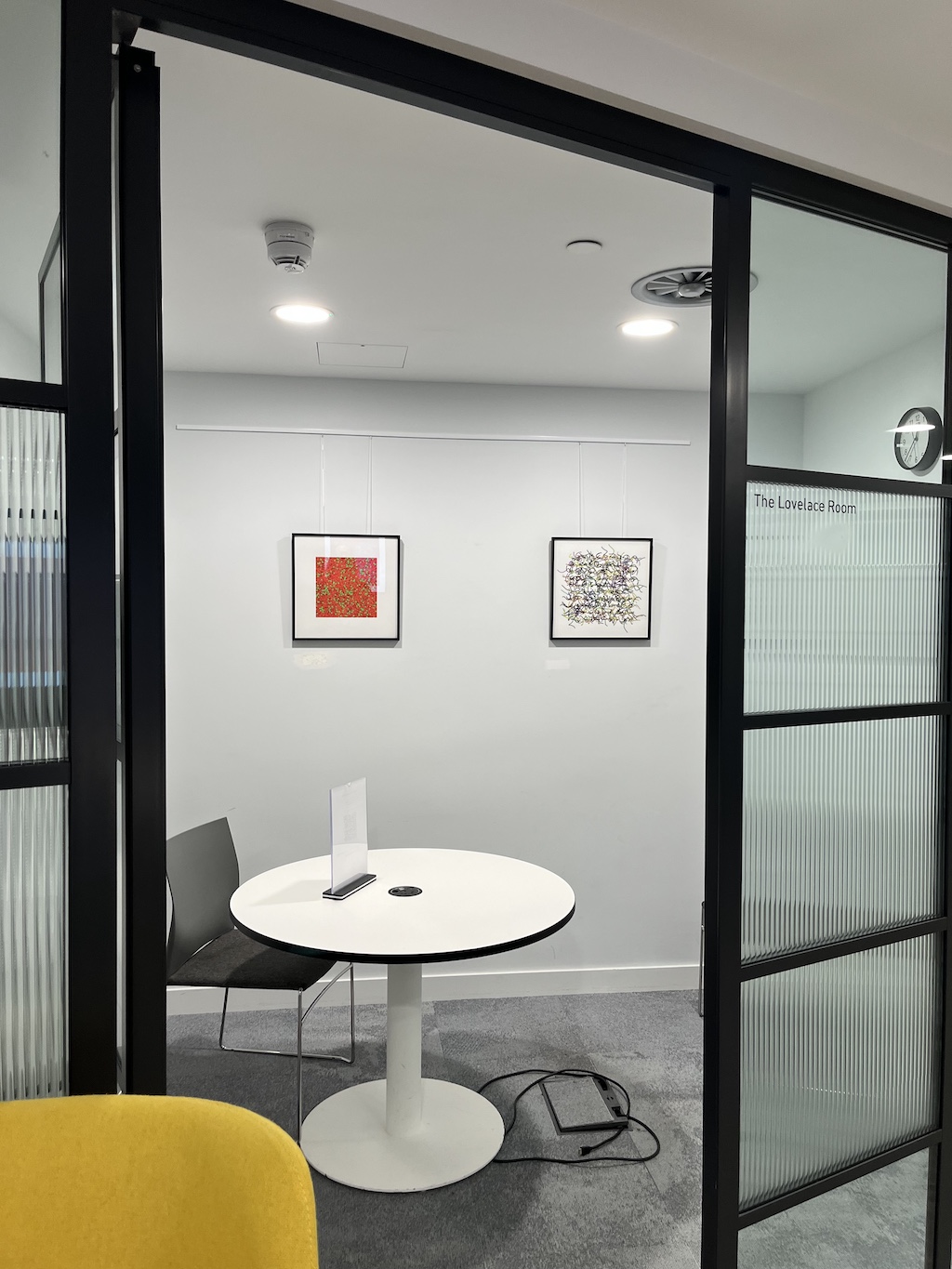
Looking into a small office with a glass door open and two prints on the wall.

Using Processing, which I only started learning this year, with help from the Google Gemini ‘AI’, rather than using a pen plotter the images are created using on screen rendering of the 3D geometry. A bonus of current technology compared to what I used in the 1970’s is that I can now produce animations of the shapes much more easily.

Very Early plotter drawing

In sorting through my mother’s estate after her recent demise I came across a birthday card that I had made for her when I was first using the computer at The Slade. It would probably have been 1978.

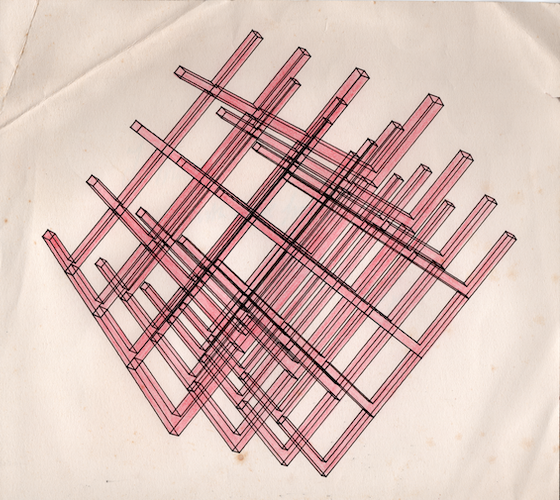
4 x 4 x 4 arrangement of L shaped objects coloured with red pencil

The first project that I did using the computer was based upon the sculptures that I had been making on my undergraduate course at Bristol Polytechnic. I had been arranging ‘modules’ in a regular grid pattern on the ground. Using the computer I was able to arrange them in 3D space without worrying about gravity. Note that the graphics library we used at the time did not have a hidden line removal option, hence the ‘wireframe’ rendering. I began to enjoy the ambiguity caused by the perspective projection of 3D shapes onto the 2D plane of the drawing. Fascinated by the way we see stars as if on a hemispherical surface, I had explored the phenomenon at Bristol with a model of the nearest twenty stars to our sun. I later transferred that data to computer drawings too.

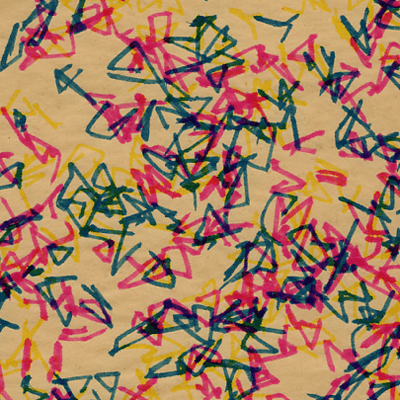
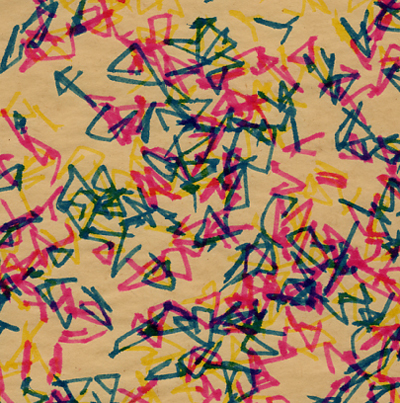
Very soon I came up with the idea that plotter drawings should be about drawing rather than sculptural forms. So I changed the shapes that I was getting the computer to plot. I wanted to get it to make marks that were gestural, as if drawn by hand, to invoke the visceral feel one gets when seeing work made by human hand. To achieve this some of the pieces used brush pens instead of mapping pens to plot the images (like the one in the photgraph below). Also, rather than sticking to the standard red green blue and black inks that I saw being used by other artists, I took a lead from printing techniques and used cyan, magenta and yellow coloured inks instead.

There’s more about my early computer graphics here: https://stephenbell.org.uk/ranstak/index.html

Details of plotter drawing made using brush pens, 1978

Leicester computer art pioneers

There are a couple of prints of my work in the CAS: Leicester Computer Art Pioneers exhibition at Phoenix Leicester from November 2nd 2023 to January 30th 2024. The curator, Sean Clark, invited me to submit two pieces – one from the period when I was living in Leicester while I was working at the Loughborough University of Technology Computer-Human Interface Research Centre (LUTCHI) and studying for a PhD, and one recent piece. He would take the files I sent to him and produce prints for the show.

For the first piece I chose to combine two images that had been generated using the version of Smallworld that I was using on a Silicon Graphics IRIS workstation that I had borrowed from the centre to use in the shared house I lived in on Humberstone Road. When working on what came to be Prospero and Caliban I seem to remember listening to a radio broadcast of The Tempest. When searching online to find a record of the BBC broadcasting however I couldn’t find a reference to it, so perhaps my memory is playing tricks.

Nevertheless for the second piece I decided to make an image using my current iteration of the behavioural image generation programs that have followed from Smallworld, running on an iMac, to use a similar technique to the one I had been experimenting with when making the Prospero image, i.e. placing the source to illuminate the generated shape in the centre of the composition so that trails in front of the light source would be rendered in silhouette. The result is Miranda. The video below shows a recording of my exploration of the generated shape including the frame that I selected for the print.

The works exploit the perceptual phenomenon referred to as pareidolia, where people think that they can see something that does not actually exist. I have often sought out these phenomena, after learning of the advice of Leonardo da Vinci when I was at school.

Smallworld

Grid Explosion, 2 Predators, 98 Prey, Photograph from Screen 1985

I began developing the Smallworld suite of programs whilst Artist in Residence in the computing laboratory of The University of Kent at Canterbury from 1984 – 85.

Since then I have continued to use versions of the algorithm to produce work.

Smallworld uses algorithms based upon observations of animal and human social behaviour, including conflict and collaboration, and other interactive phenomena to generate computer graphic forms to interact with, animate and print.

More about my work can be seen at my older site: